A long road trip asks more from your car than a normal week of short drives. The engine stays hot for hours, the tires spend more time at highway speed, and the cooling, charging, braking, and A/C systems have little opportunity to rest.
That does not mean you need to replace parts just because a trip is coming up. The better approach is to handle services that are actually due and check systems where a small problem could become a major inconvenience hundreds of miles from home.
1. Change the Engine Oil if Service Is Due
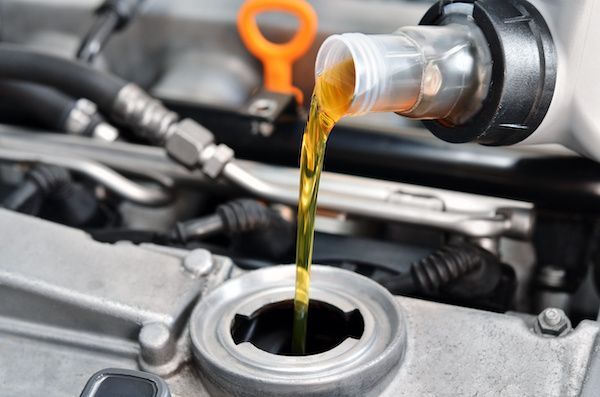
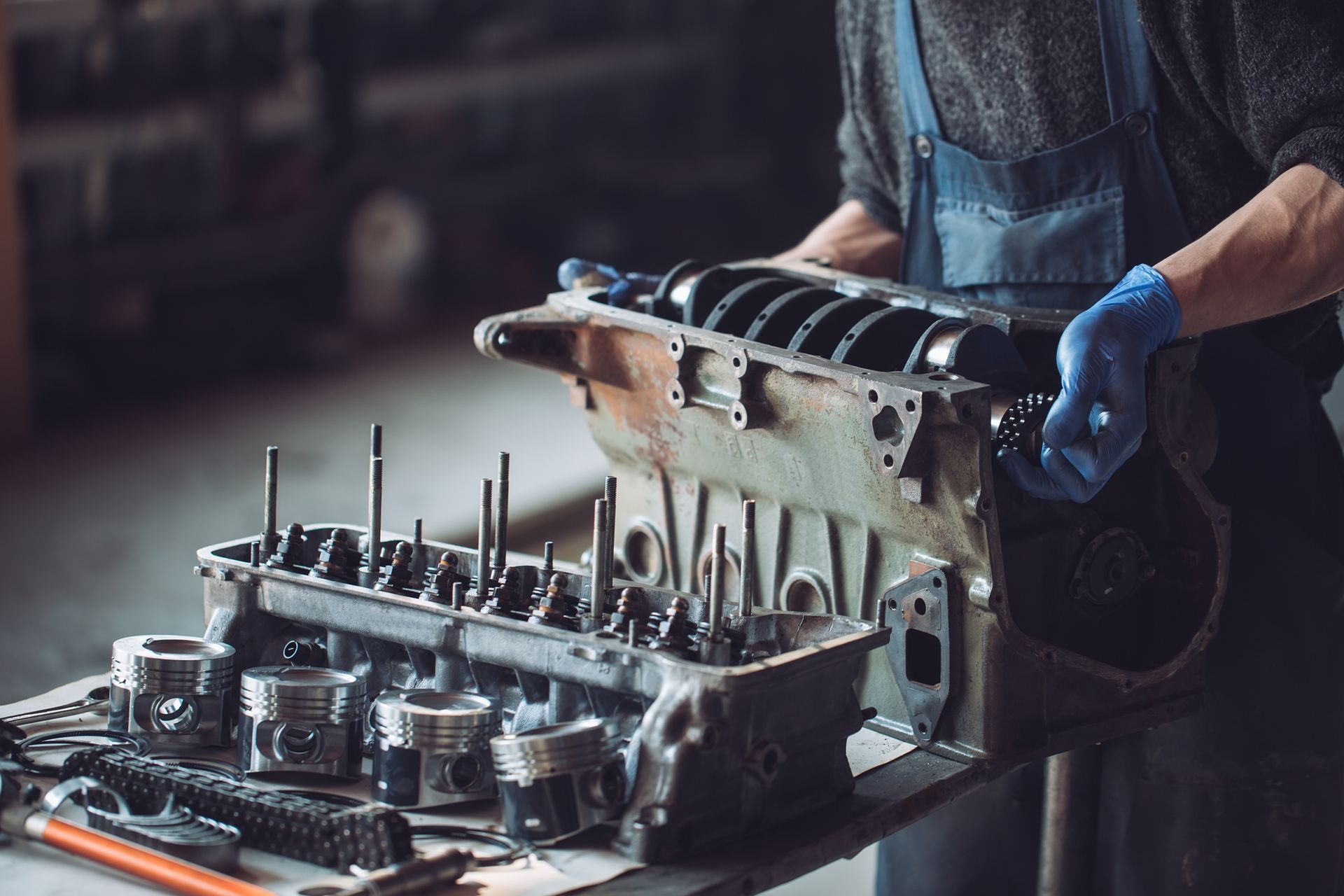
If the oil change interval will come due during the trip, taking care of it before departure makes more sense than trying to arrange service halfway through your drive. Fresh oil also gives us a chance to verify the level and look for signs of leakage underneath the engine.
Do not assume an early oil change is automatically necessary just because you are traveling. If the oil was serviced recently and the level is correct, it may be completely ready for the trip. What matters is where you are in the vehicle's normal maintenance schedule and how many miles you expect to add.
2. Have the Tires Checked and Correctly Inflated
Tires deserve close attention before sustained highway driving. Heat builds as they roll, and low pressure, sidewall damage, or uneven wear can become more serious during hours of continuous use.
We check tread depth across the entire tire, not only the easy-to-see outer edge. We also look for cracks, bulges, punctures, abnormal wear, and pressure loss. Set tire pressure when the tires are cold, using the vehicle manufacturer's specifications.
Do not forget the spare if your car has one. A spare that has been sitting nearly flat for years is not much help when you need it on the roadside.
3. Service the Cooling System When It Is Due
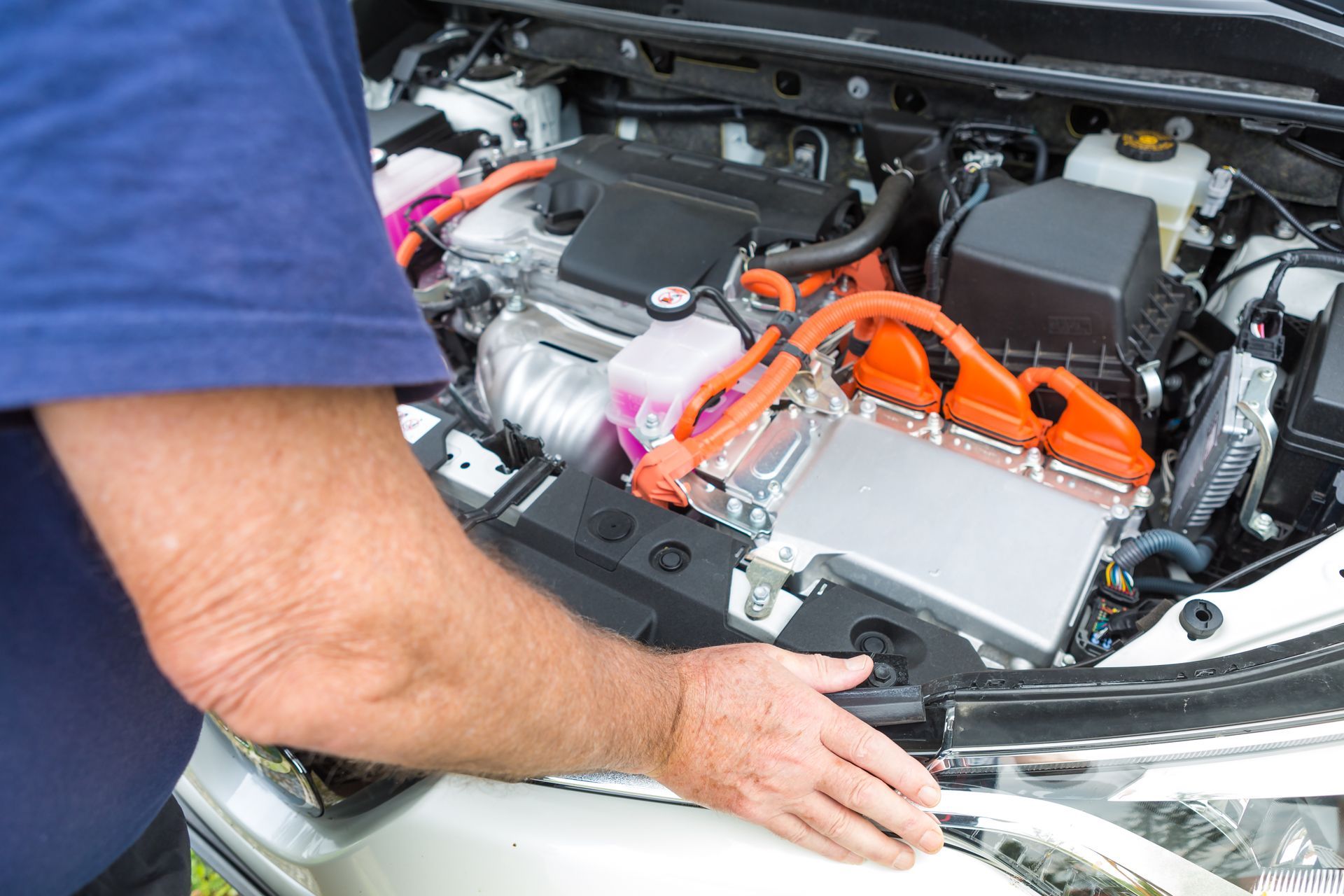
The cooling system has to keep engine temperature controlled through traffic, long grades, hot weather, and extended A/C use. If coolant service is due according to the vehicle's schedule, a road trip is a good reason not to keep postponing it.
At our shop, we also look beyond the coolant itself. Radiator hoses, the water pump, radiator, reservoir, thermostat operation, and cooling fans can all affect temperature control. A small dried coolant stain around a connection may be the first sign of a leak that deserves attention before a long drive.
4. Check the Brakes Before Adding Hundreds of Miles
Brake pads don't need replacement just because you are taking a trip, but you should know how much usable material remains before you leave. Long downhill stretches, heavy traffic, and a fully loaded car can place more demand on the brakes than familiar local driving.
During an inspection, we can check pad thickness, rotor condition, brake fluid level, hoses, and visible hydraulic components. Tell us if you have noticed pulling, grinding, pulsation, a soft pedal, or a new noise when braking. Those symptoms deserve diagnosis rather than being saved for after the vacation.
5. Test the Battery and Charging System
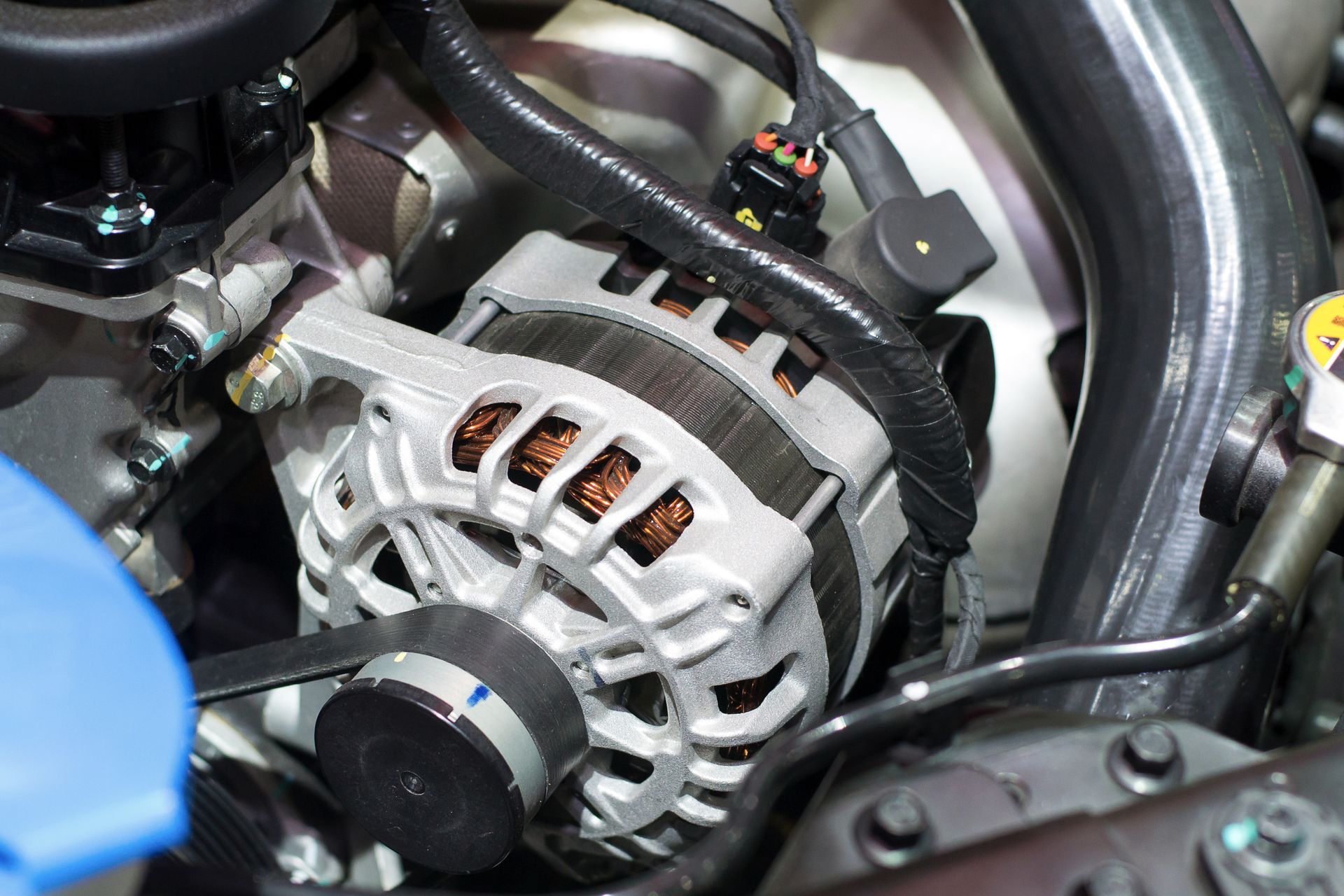
A battery can start the car normally at home and still be getting close to the end of its useful life. Heat, repeated restarts, and electrical loads from phones, navigation, climate control, and other accessories can expose a weak battery or charging problem.
We can test battery condition and alternator output while checking the terminals and cables for corrosion or looseness. Slow cranking, flickering lights, electronic resets, or a battery warning light are all reasons to investigate before departure.
If the battery is several years old, testing is much more useful than replacing it based on age alone.
6. Replace Filters That Are Actually Due
A road trip is a good opportunity to catch up on overdue engine and cabin air filters, but judge both by their service interval and condition.
A restricted engine air filter can limit airflow when the engine is working hard. A clogged cabin filter can reduce airflow through the A/C and heater, which becomes particularly annoying when you are spending eight hours in the car.
We check the filters rather than automatically replacing them. A lightly dusty filter may have plenty of service life remaining, while one packed with leaves and debris clearly does not.
7. Check the A/C and Other Fluids
If the air conditioner already feels weak around town, do not expect hours of highway driving in summer weather to make it more comfortable. We can check vent temperature and system operation before you leave. Low refrigerant should also lead to leak testing rather than repeated top-offs.
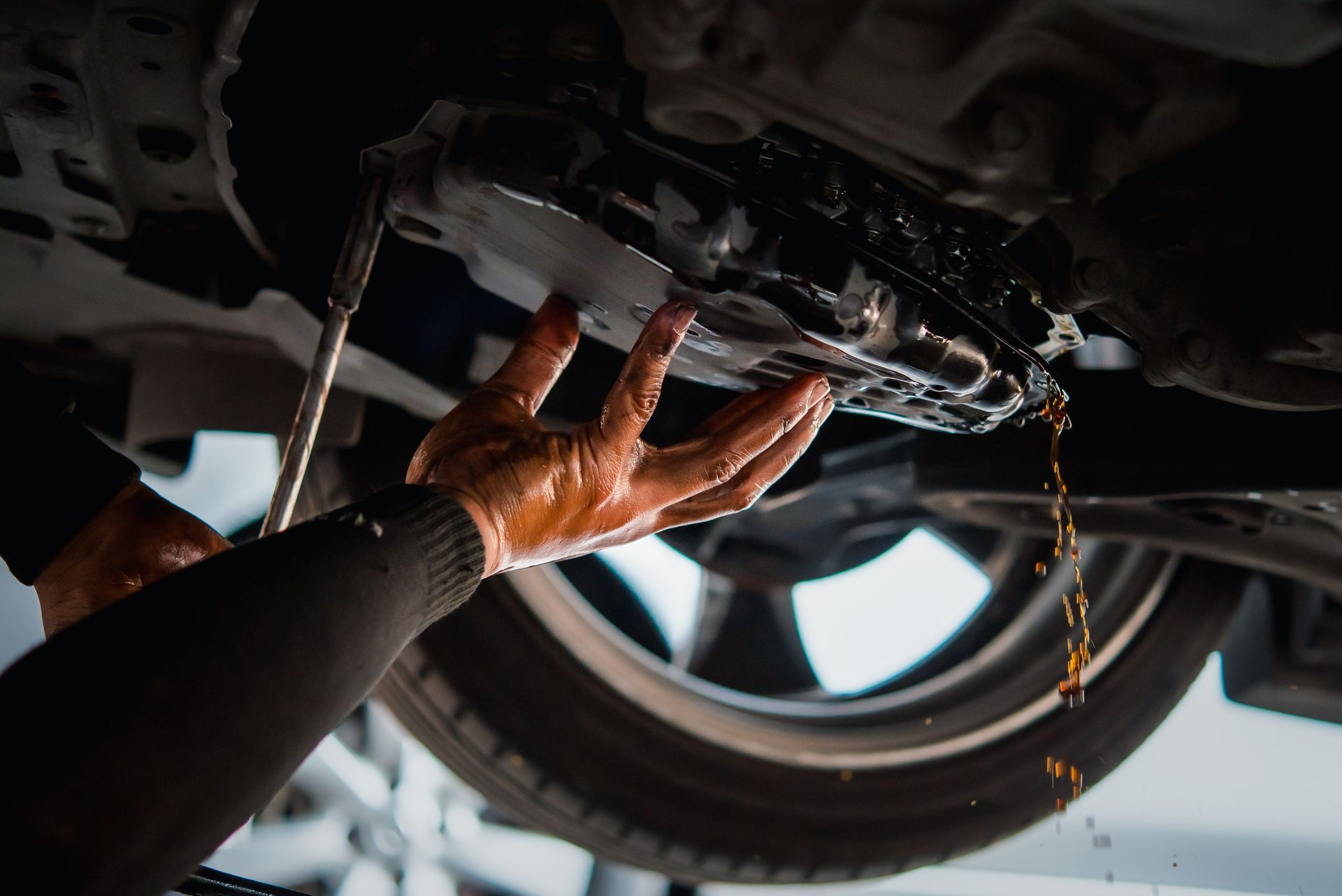
This is also a good time to verify transmission fluid where applicable, brake fluid, power steering fluid on hydraulic systems, washer fluid, and differential or transfer-case service when required. Regular maintenance records help us see what has already been handled, so we don't recommend work the vehicle doesn't need.
Get Pre-Trip Vehicle Service In Oneida, NY, With Oneida Service Center
If you are planning a long-distance drive, Oneida Service Center in Oneida, NY, can review what services are due and check the tires, brakes, battery, cooling system, fluids, and A/C before you head out.