Modern vehicles rely on sensors to monitor airflow, exhaust gases, engine temperature, crankshaft position, and many other operating conditions. The engine computer compares those signals with expected values and adjusts fuel delivery, ignition timing, emissions controls, and idle speed.
When a sensor reports information that is missing, inconsistent, or outside the expected range, the check engine light may turn on. That does not always prove the sensor itself has failed. Damaged wiring, air leaks, low voltage, mechanical problems, and contaminated connectors can create similar fault codes.
1. Oxygen Sensor
Oxygen sensors measure the amount of oxygen remaining in the exhaust. The engine computer uses this information to adjust the air-to-fuel mixture. Most vehicles have sensors before and after the catalytic converter, and each one serves a different monitoring purpose.
A worn oxygen sensor may respond too slowly or send inaccurate readings. Possible symptoms include reduced fuel economy, uneven idle, increased emissions, or hesitation. Exhaust leaks, engine misfires, oil consumption, and coolant entering the exhaust can also affect oxygen sensor readings, so the surrounding systems should be checked before the sensor is replaced.
2. Mass Airflow Sensor
The mass airflow sensor measures how much air enters the engine. The computer uses that measurement to calculate how much fuel should be delivered. If the signal is inaccurate, the engine may receive too much or too little fuel for the actual amount of airflow.
A contaminated sensor can cause hesitation, weak acceleration, rough idle, stalling, or poor fuel economy. Air leaks between the sensor and engine can produce similar symptoms because unmeasured air enters the intake. An incorrect air filter, damaged intake hose, wiring problem, or poor electrical connection may also trigger a mass airflow fault code.
3. Coolant Temperature Sensor
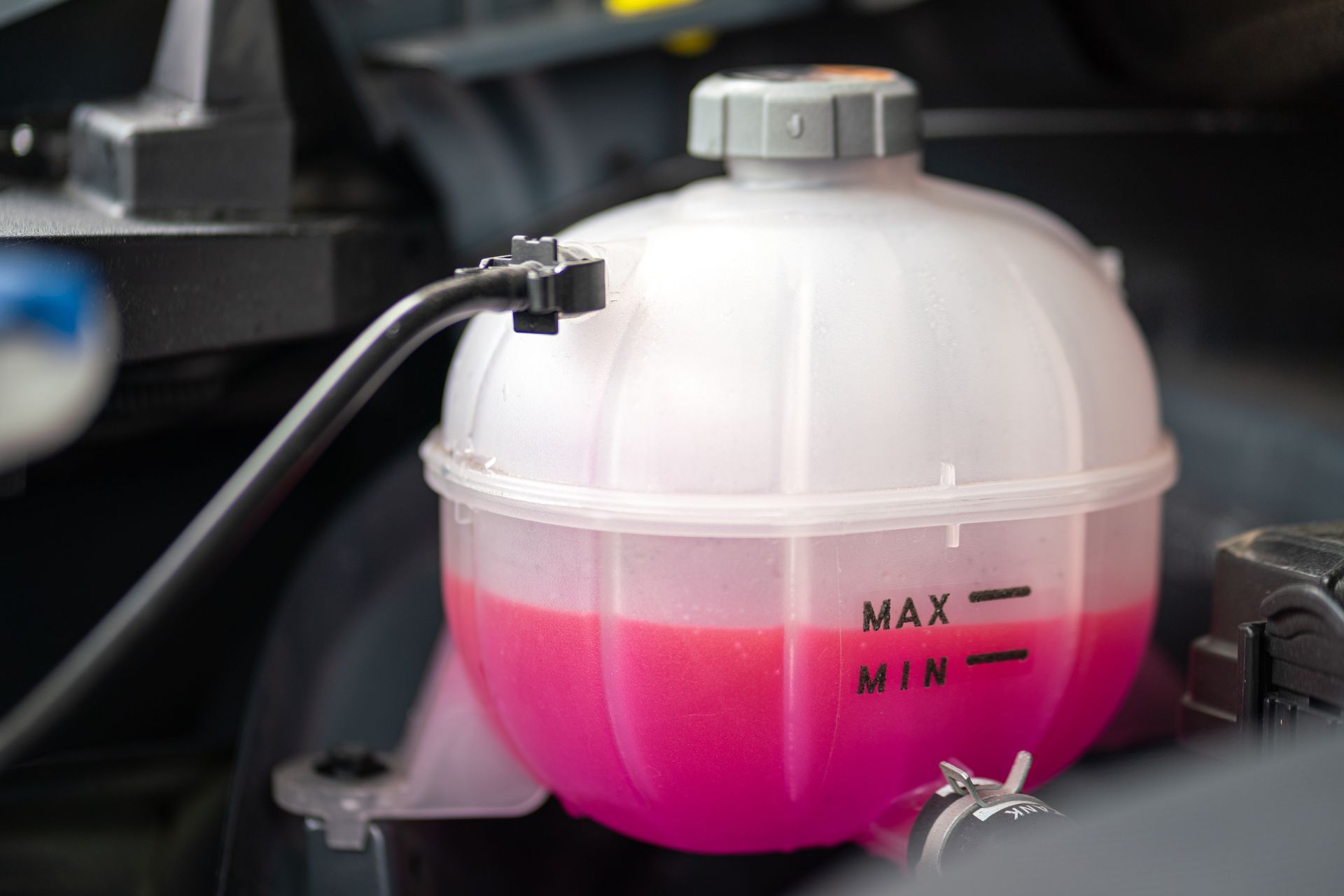
The engine coolant temperature sensor tells the computer whether the engine is cold, warming up, or fully heated. That information affects fuel delivery, cooling fan operation, idle speed, ignition timing, and emissions system testing.
If the sensor reports that the engine is cold when it is actually hot, the computer may command an overly rich fuel mixture. If it reports an engine temperature that is too high, starting and warm-up performance may suffer. A faulty thermostat, low coolant level, cooling system problem, damaged connector, or broken wire can create readings that resemble sensor failure.
4. Crankshaft Position Sensor
The crankshaft position sensor tracks crankshaft speed and position. The engine computer uses its signal to control ignition timing and fuel injector operation. Without reliable crankshaft information, the computer may not know when to fire the spark plugs or inject fuel.
A failing sensor can cause intermittent stalling, extended cranking, hesitation, misfires, or an engine that will not start. Some sensors fail only after they become hot and begin working again once they cool. Wiring damage, connector corrosion, incorrect sensor clearance, or a damaged trigger wheel can cause the same type of signal loss.
5. Camshaft Position Sensor
The camshaft position sensor helps the engine computer identify which cylinder is ready for combustion. It also supports fuel injector timing and variable valve timing operation on many engines. Some vehicles use more than one camshaft sensor because they have multiple cylinder banks or adjustable camshafts.
A weak or inconsistent signal can cause poor acceleration, difficult starting, rough operation, reduced fuel economy, or a longer crank time. Timing chain wear, incorrect valve timing, low oil pressure, dirty oil, wiring faults, and variable valve timing problems can all trigger camshaft-related codes. Replacing the sensor without checking those areas may leave the original problem unresolved.
Why A Sensor Code Does Not Always Mean A Bad Sensor
Diagnostic trouble codes identify the circuit, signal, or operating condition the computer detected. They do not provide a complete diagnosis by themselves. For example, a lean oxygen sensor code may come from an intake leak, low fuel pressure, or exhaust leak rather than a failed oxygen sensor.
Proper testing may include checking live sensor data, electrical power, grounds, wiring resistance, connector condition, and mechanical operation. Comparing sensor readings with actual engine temperature, airflow, or position helps confirm whether the information is believable. An inspection can also reveal damaged hoses, fluid contamination, or loose terminals affecting the signal.
Can You Keep Driving With The Check Engine Light On?
A steady check engine light often means the vehicle can be driven carefully for a limited time, but service should be scheduled soon. Pay attention to changes in starting, acceleration, fuel economy, engine temperature, and idle quality. The problem may become more severe even if the vehicle still feels normal.
A flashing check engine light usually indicates an active misfire that can overheat the catalytic converter. Reduce power demand and stop driving if the engine shakes heavily, loses significant power, overheats, or produces unusual smoke. Continuing under those conditions can damage additional components.
How Regular Maintenance Helps Protect Sensor Operation
Sensors are designed to work for many years, but they depend on healthy systems around them. Oil leaks can enter electrical connectors, intake leaks can distort airflow readings, and neglected ignition problems can contaminate exhaust sensors. Weak batteries and charging concerns may also create unstable signals across several circuits.
Regular maintenance supports accurate readings by keeping fluids, filters, spark plugs, belts, and electrical connections in good condition. It also gives technicians opportunities to catch leaking hoses, damaged wiring, and developing engine problems before they trigger several warning codes.
Get Check Engine Light Diagnostics In Oneida, NY, With Oneida Service Center
If your check engine light is on, Oneida Service Center in Oneida, NY, can test the oxygen, airflow, temperature, crankshaft, camshaft, and related engine control systems.