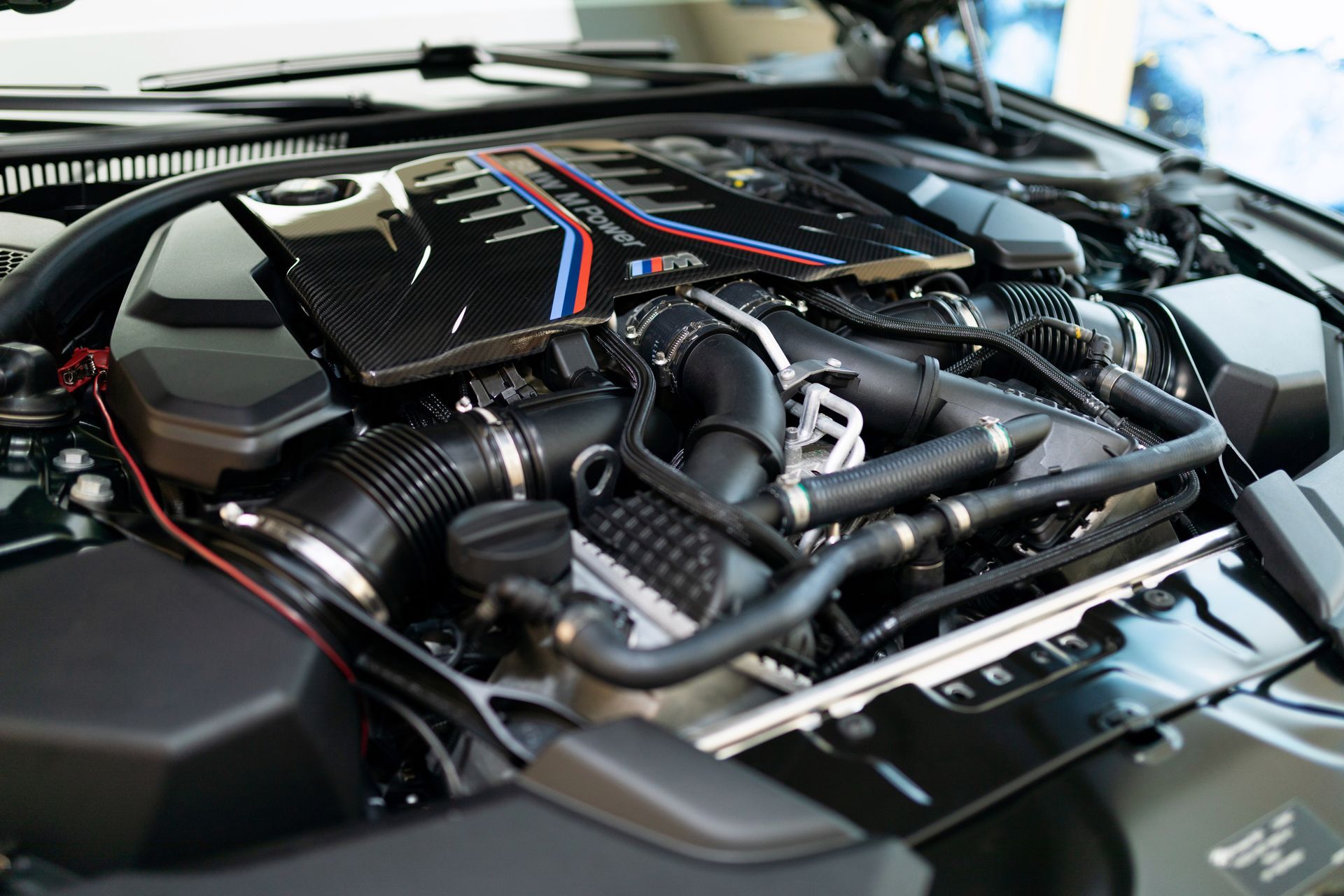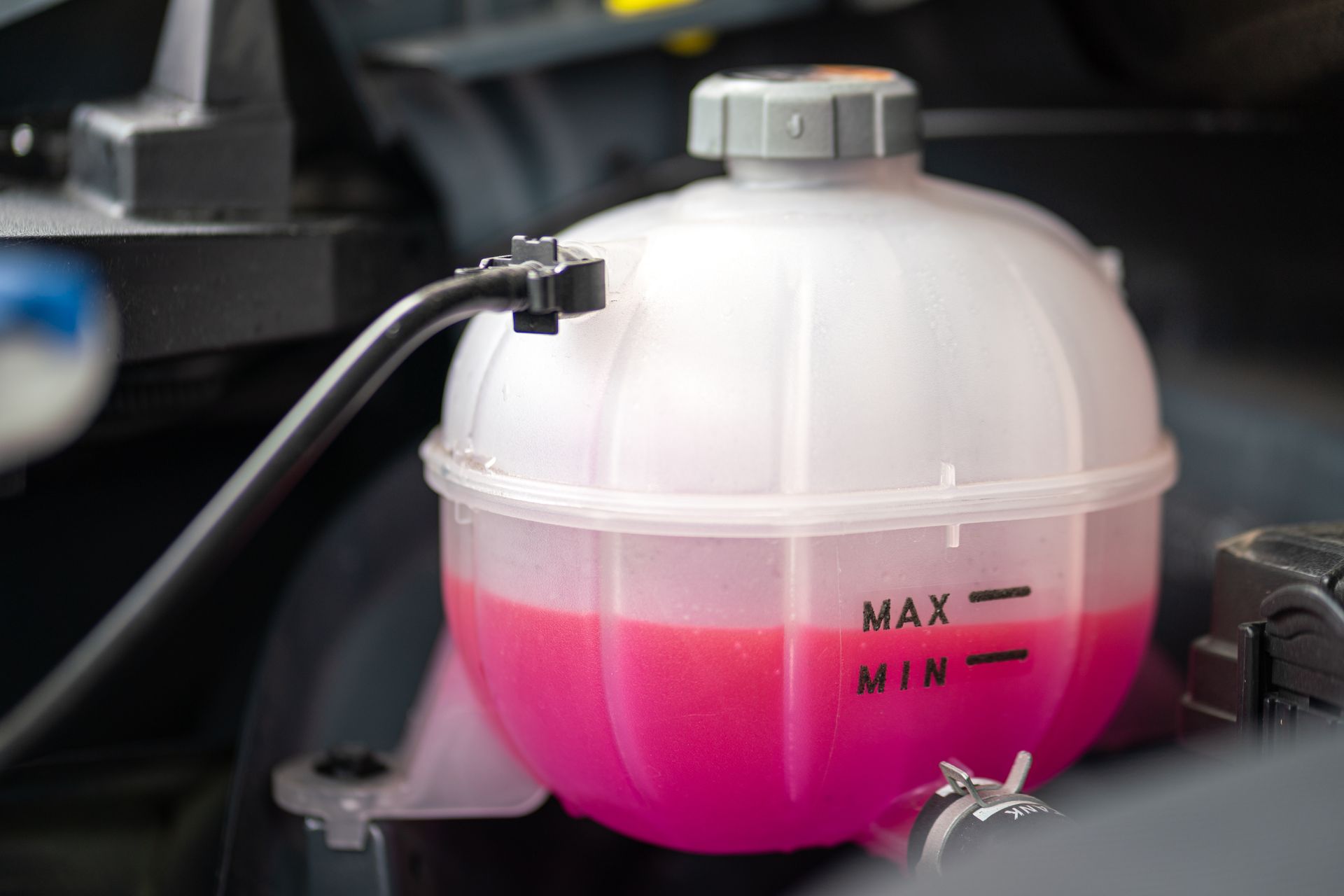
A lot of drivers hear coolant and immediately think of the engine. Electric vehicles do not have an engine, but they still create heat that has to go somewhere. In an EV, coolant helps keep the battery, power electronics, and drive unit within their preferred temperature ranges, which affects performance, charging speed, and long-term component life.
Coolant service in an EV is less about fixing a problem you can feel today and more about protecting expensive systems from heat stress over time. That is why replacing it on schedule matters, even if the car seems to be driving normally.
EV Coolant Is About Temperature Control
EVs rely on tight temperature control because batteries and electronics have a narrower comfort zone than most people realize. Too much heat can reduce efficiency and limit power. Too much cold can reduce range and slow charging, especially in winter.
Coolant is the heat-transfer fluid that moves heat out of the components and into a radiator or heat exchanger. When it is doing its job, the vehicle quietly manages temperature in the background, and you rarely notice anything happening.
What Coolant Cools In An Electric Vehicle
Most EVs use coolant to manage more than one component. The exact layout depends on the model, but the idea is the same: keep heat where it belongs and move it away from the parts that do not like it.
In many systems, coolant helps control temperature for:
- The battery pack
- The inverter and power electronics
- The electric motor drive unit
- The onboard charger and DC fast-charging hardware
Some vehicles have multiple loops, while others combine functions. Either way, coolant is part of how the vehicle protects itself when you accelerate hard, climb hills, or fast charge on a hot day.
Battery Thermal Management And Charging Behavior
Battery temperature affects charging more than most drivers expect. If the battery is too hot, the vehicle may reduce charging speed to protect the pack. If it is too cold, the vehicle may limit charging and power until it warms up.
Coolant helps the thermal management system move heat in and out of the battery pack, keeping it within a safer range. That is one reason an EV might run pumps or fans even after you park. The system is still managing heat so the battery is ready for the next drive.
Why EV Coolant Still Wears Out
Coolant does not last forever, even in an EV. Heat cycles, time, and normal chemical aging reduce its ability to protect components. Additives that help prevent corrosion and protect seals get used up, and contamination can build up in small amounts over the years.
EV cooling systems can also be sensitive to the wrong coolant type. Some use specific formulations to protect aluminum components, electric pumps, and seals. Keeping the correct coolant in the system is part of regular maintenance, because mixing types can reduce protection and create long-term issues you will not see right away.
Signs Your EV Cooling System Needs Attention
Sometimes the only clue is a message on the dashboard about reduced power, charging limits, or a cooling system warning. You can also notice the cooling fan running more often than usual, especially during charging or after driving in warmer weather. A low coolant level can also happen if there is a small seep at a hose connection, pump, or reservoir.
If you notice a sweet smell near the front of the vehicle, coolant residue, or a level that keeps dropping, it should be checked soon. An inspection is also smart if the vehicle suddenly limits charging speed more than it used to in similar conditions, since temperature management is a common reason for that behavior.
How Coolant Replacement Is Done Correctly
EV coolant service is not always as simple as a quick drain and fill. Many EVs require specific bleeding procedures to remove air from the system, because trapped air can reduce coolant flow and create hot spots. Some vehicles also have multiple circuits that need to be serviced correctly so coolant is in the right places and pumps are not running dry.
A proper service usually includes checking the coolant level and condition, confirming there are no leaks, and refilling with the correct type to the correct level. When it is done right, the cooling system can move heat effectively during hard driving and charging, and the vehicle can protect the battery and electronics the way it was designed to.
Get EV Coolant Service In Oneida, NY With Oneida Service Center
If your EV is due for coolant service or you’re seeing warnings tied to cooling or charging limits, the next step is booking service so the system can be serviced correctly and refilled to spec.
Schedule service with
Oneida Service Center in Oneida, NY, when you want confident temperature control for the battery and electronics and fewer surprises during hot weather or winter driving.