Some of the most frustrating breakdowns come from parts you can hold in one hand. A tiny sensor, a cheap cap, or a simple belt can be the difference between getting home and calling for a tow. That’s why “small part” does not mean “small consequence.”
The good news is that most of these failures leave clues first, and they’re usually cheaper to handle early.
Catch them before they turn your day upside down.
1. Serpentine Belt And Belt Tensioner
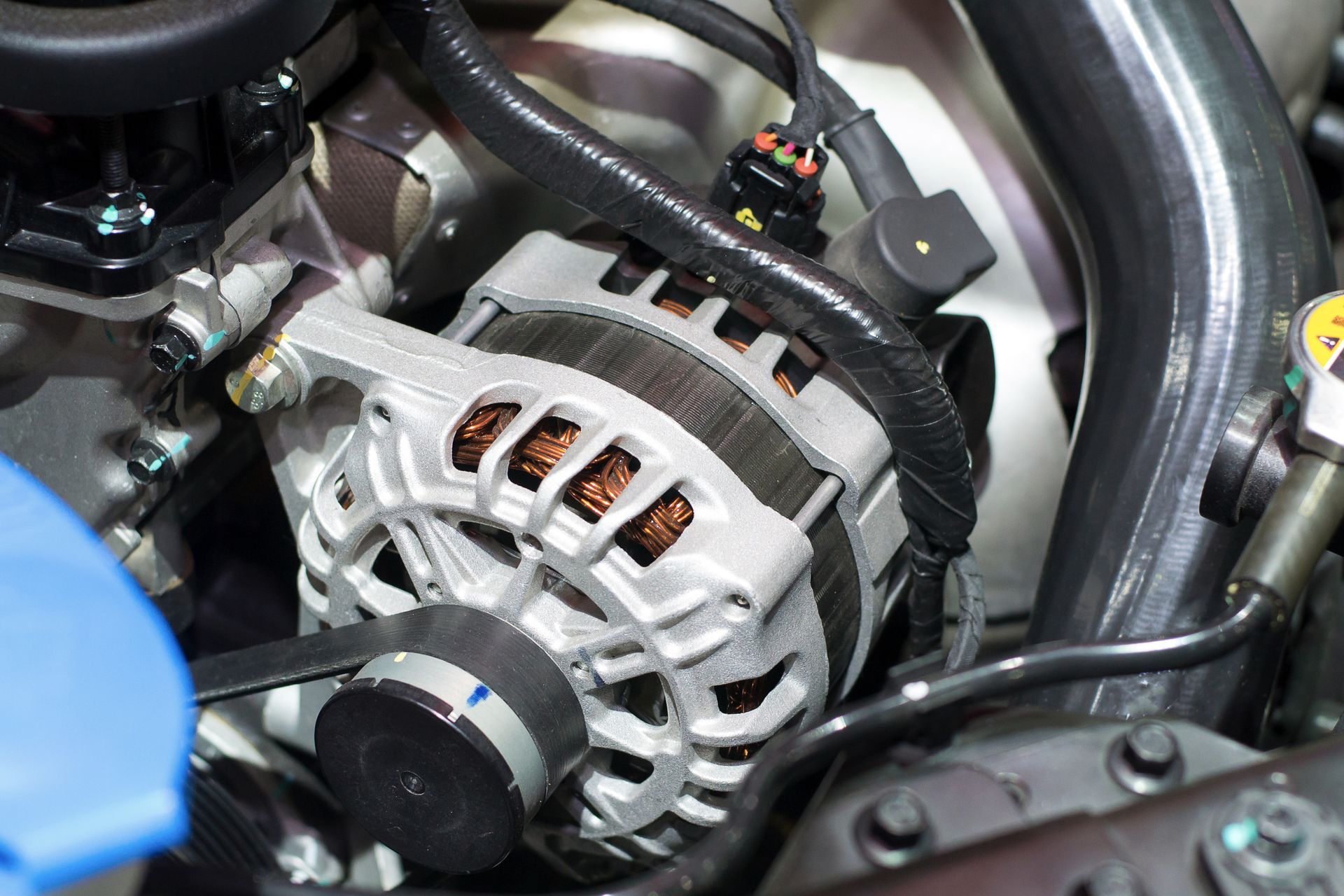
The serpentine belt runs key accessories like the alternator, power steering (on many vehicles), and the A/C compressor. If it snaps or slips badly, the battery may stop charging, steering can get heavier, and you can lose systems you rely on in traffic. The belt tensioner matters just as much, because a weak tensioner can let a good belt squeal, flutter, or wear out early.
Early signs are usually pretty clear if you listen for them. Squealing on cold starts, a chirp that changes with RPM, or visible cracking on the belt can all point to trouble. If you see fraying along the belt edges, or you smell rubber after a drive, that is often the belt telling you it is running off-line or slipping under load.
2. Radiator Cap And Cooling System Pressure
A radiator cap looks like a simple lid, but it is a pressure valve. When it holds the correct pressure, coolant can run hotter without boiling, and the system stays stable. If the cap is weak, pressure drops, coolant can boil sooner, and the engine may overheat in traffic even though the radiator and fans are doing their job.
This one can be sneaky because it may only show up on hot days, long idles, or when the A/C is on. You might notice coolant smell after parking, minor coolant loss with no obvious leak, or a temperature gauge that creeps up and then settles back down. If the engine is running hot, a pressure test is usually a smarter move than replacing random parts.
3. Crankshaft Position Sensor
The crankshaft position sensor tells the engine computer where the crank is, so it knows when to fire the spark and inject fuel. When this sensor starts failing, the engine may stall, crank longer than normal, or refuse to start at all. It can feel like a battery problem one day and a fuel problem the next, which is why it catches people off guard.
A common timeline is intermittent first, then more frequent. The car might stall once at a stop, restart, and act normally for a week. Then it stalls again when hot, or it dies while coasting and the dashboard lights up like you turned the key off. When a stall becomes repeatable, scanning for stored codes and checking signal data is often the fastest way to confirm it.
4. Fuel Pump Relay
A fuel pump relay is a small electrical switch that sends power to the fuel pump. If it sticks, overheats, or has weak internal contacts, the pump may not run even though the pump itself is fine. The result is usually a no-start, or a start-then-die situation that feels random and inconvenient.
Relays can fail more when they are hot, which creates a pattern drivers hate. The vehicle may refuse to start after a quick stop, then start again after sitting for 15 minutes. You may also notice the engine stumble under load if the relay is cutting power intermittently. If the symptom comes and goes, testing the relay and its circuit can save you from replacing a fuel pump you did not need.
5. Battery Cables And Ground Straps
Battery cables and ground straps are easy to overlook because they are not “moving parts.” But when connections loosen or corrode, voltage drops and modules start acting strange. That can trigger hard starts, flickering lights, warning messages on the dashboard, or a sudden no-crank that disappears when you wiggle the cable.
These issues are often intermittent, which makes them feel like a ghost problem. Watch for clues like these that point to connections, not the battery itself:
- One click when you turn the key, then nothing
- Starts fine sometimes, then struggles with no pattern
- The lights dim when you crank
- Multiple warning lights that come and go together
A simple inspection and cleaning can prevent a lot of unnecessary parts replacement.
Get Preventive Maintenance in Oneida, NY with Oneida Service Center
We can inspect these common failure points, test the related systems, and help you prioritize what to handle now versus what can wait a bit.
Call or schedule a visit, and we’ll help you avoid the small-part breakdown that ruins your week.