Mileage gets treated like the easiest shortcut for judging a car. If two vehicles have the same number on the odometer, a lot of people assume they should be in roughly the same shape. That sounds logical until you actually compare them side by side.
Two cars can have the same mileage and still be aging in completely different ways.
Why Mileage Only Tells Part Of The Story
Mileage tells you how far a car has gone. It does not tell you how it got there, how often it sat, how it was serviced, or what kind of driving made up those miles. Ten thousand highway miles are not the same as ten thousand stop-and-go city miles. A car that is used gently and serviced on time usually holds up very differently from one that gets neglected between quick local trips.
That is why mileage should be treated as one clue, not the whole answer. It gives you a starting point, but it does not tell you how much stress the vehicle has actually lived through.
Short Trips Age A Car Differently Than Highway Driving
This is one of the biggest reasons two low-mileage cars can look so different underneath. A car that spends most of its life on short trips stays in warm-up mode much more often. The engine, transmission, battery, and exhaust system do not get the same steady operating conditions they would on a longer drive. Moisture builds up faster, the battery has less time to recover, and oil contamination becomes more of an issue.
A car that sees more highway use may rack up the same mileage faster, but those miles are often easier on the mechanical side of the vehicle. The systems get up to temperature, stay there, and do their jobs under more stable conditions. That difference adds up over time.
Maintenance History Changes Everything
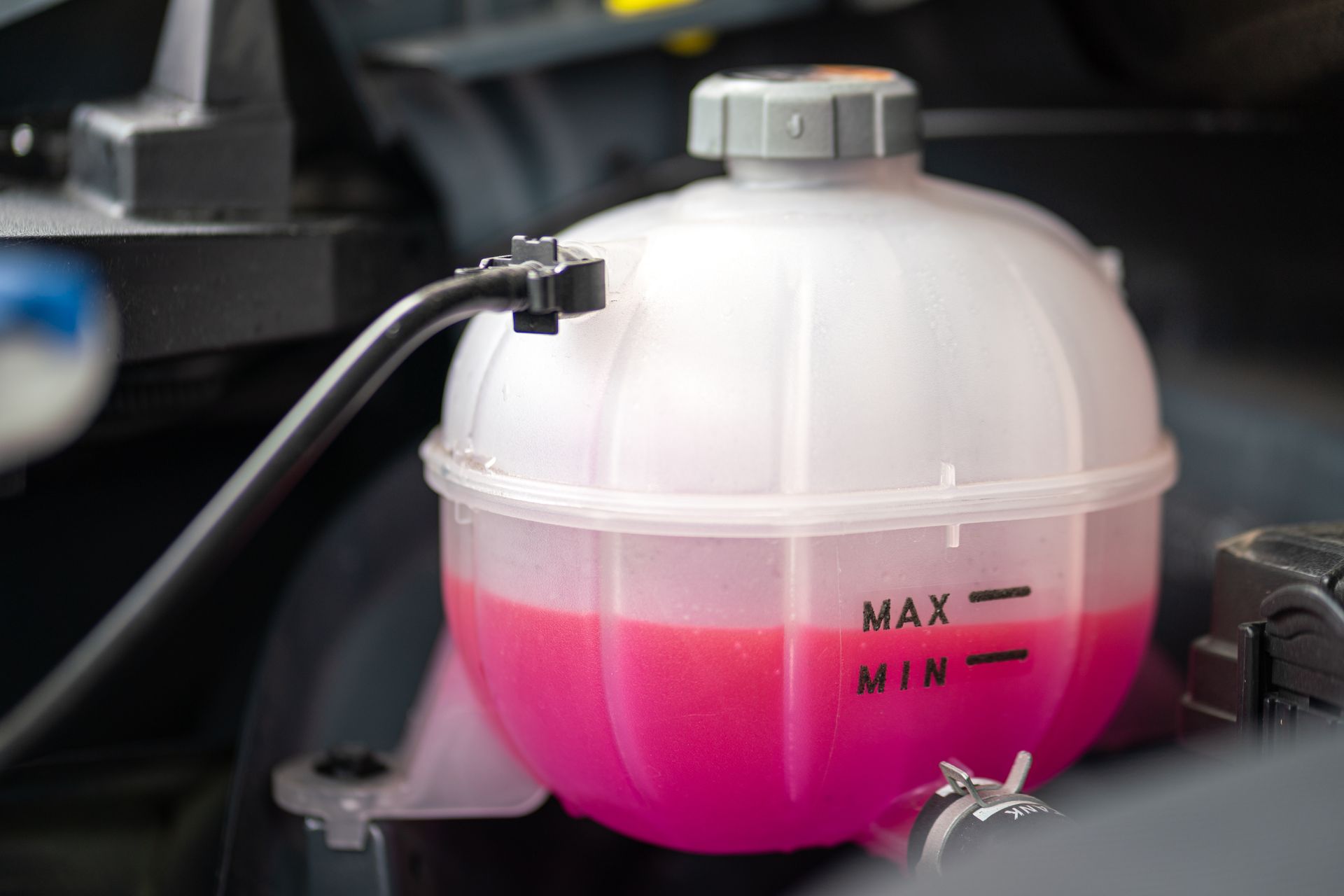
Two identical cars with the same mileage can separate quickly if one has had timely service and the other has been pushed well past basic intervals. Fresh oil, proper fluid service, tire care, brake attention, and cooling system upkeep all influence how the vehicle ages. Once service starts slipping, wear usually begins showing up in places the odometer never explains.
This is why regular maintenance is often a better predictor of long-term condition than mileage alone. A well-kept car usually feels tighter, drives more cleanly, and develops fewer expensive surprises than one that has been living on delays and guesswork. The miles may match, but the level of care often does not.
Storage And Climate Leave Their Own Mark
A vehicle’s environment changes the aging process more than people expect. A car that sits outside in harsh sun, snow, or damp conditions usually ages differently from one that is stored in a garage. Rubber seals, trim, paint, batteries, and tires all respond to heat, cold, and moisture in their own way. Time parked can be just as important as time driven.
That is why one car can have a cleaner interior, stronger seals, and better-looking paint even if the mileage is exactly the same. Storage does not make a perfect car, but it absolutely changes how certain parts hold up.
Driver Habits Leave A Pattern Behind
Cars remember how they have been driven. Hard acceleration, sharp braking, curb hits, potholes, overloaded cargo, and repeated short cold starts all leave wear patterns. So do gentler habits. A smoother driver often ends up with brakes, tires, suspension parts, and even interior controls that age more gracefully over time.
You can often see those differences in places like:
- Tire wear patterns
- Brake condition
- Suspension noise
- Steering feel
- Interior switch and seat wear
None of that shows up on the odometer. It shows up in how the car feels and what parts have been stressed along the way.
Where The Hidden Aging Usually Shows Up First
The biggest differences often show up in the system's drivers that do not check closely enough. One car may have cleaner fluid condition, stronger battery performance, and a tighter suspension. Another may already be showing early leaks, uneven tire wear, weak starting, or rougher shifting, even though the mileage looks perfectly reasonable.
That is what makes used-car shopping tricky. Two vehicles can sound identical on paper, then tell very different stories once you actually drive them and look underneath. The one with the better history and better habits usually reveals itself pretty quickly.
Why An Inspection Beats The Odometer
This is really the best way to think about it. Mileage gives you a number. An inspection gives you the condition. If you want to know how a car has actually aged, you need more than the odometer. You need to know how it runs, how it shifts, how it stops, what the tires are doing, whether fluids have been kept up, and whether small problems are already starting to stack up.
That is why buyers and owners get into trouble when they trust mileage too much. A lower-mileage car can still be riskier if it has been neglected, driven poorly, or left sitting for too long. The better car is usually the one that has been cared for properly, not just driven less.
Get Used Car Inspection In Oneida, NY, With Oneida Service Center
If you are comparing two vehicles with similar mileage or wondering how well your own car is aging, Oneida Service Center in Oneida, NY, can perform an inspection that gives you a much clearer picture than the odometer ever will.
Bring it in before a good number on paper talks you into the wrong conclusion.